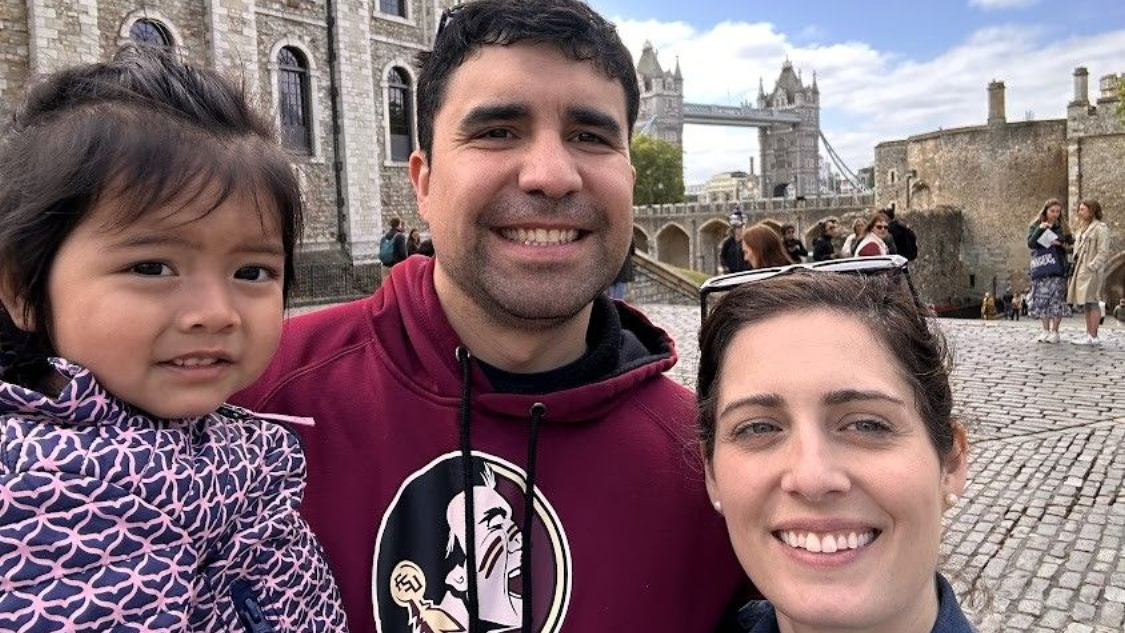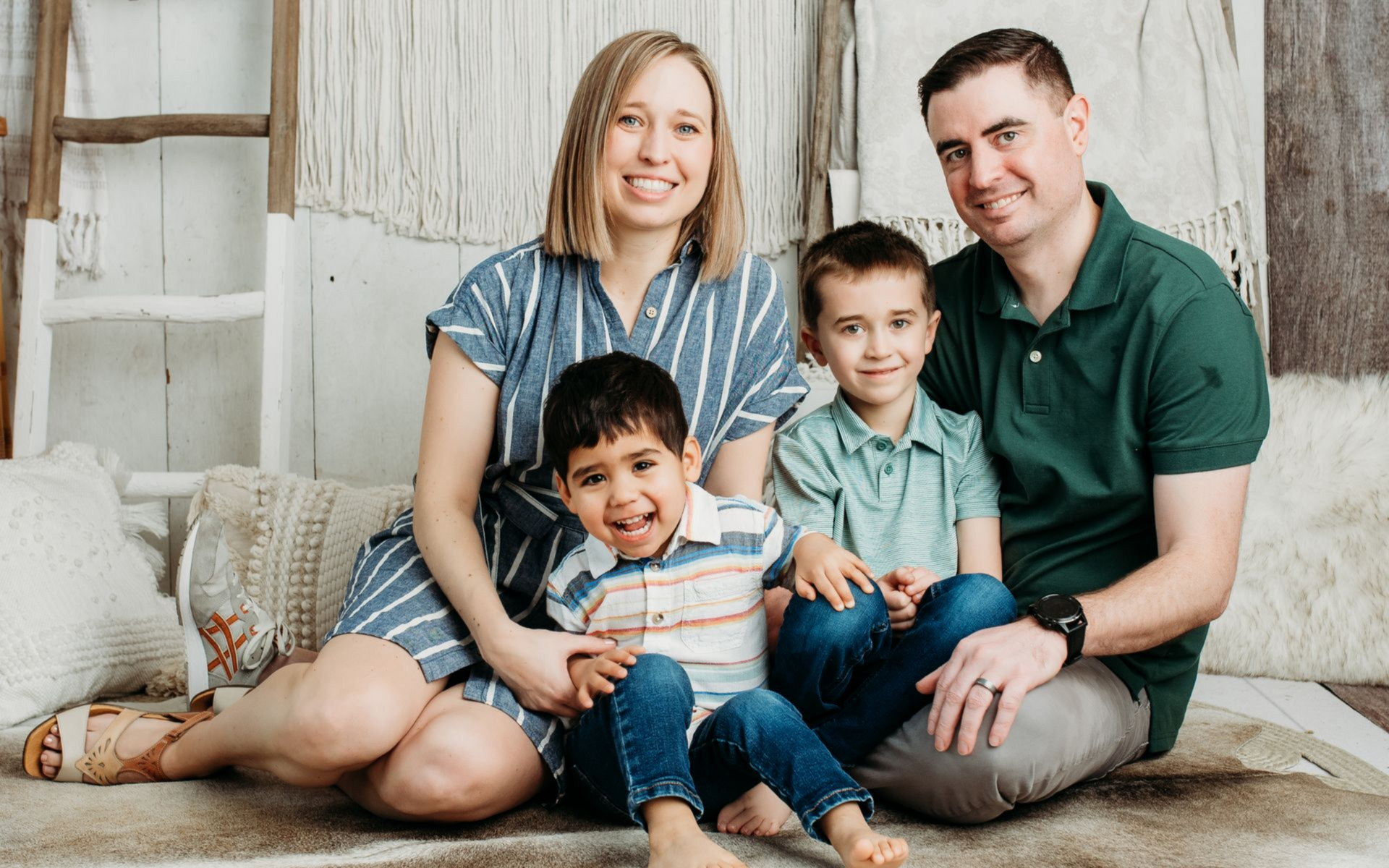


Adoption, in and of itself, involves unique conversations with your child. Biological children never ask questions about their “real” parents or why they don’t look like the rest of the family.
When you adopt transracially, you have another set of questions that you must tackle. Gone are the days when we can say the world is “colorblind.” To be colorblind means you miss the special qualities of each race.
It is up to parents to instill in their children, adopted or not, a strong sense of security and identity. Here are some tips to get the discussion about race and racism started with your adopted child and others.
It Is Never Too Early to Begin a Conversation
Just as it’s never too early to begin presenting the idea of adoption, talking about a child’s race or ethnicity should also start early. Make sure you understand the differences in the terms you discuss.
- Race. Although we are all members of the human race, the word takes on a different meaning for us today. Now, race describes physical characteristics, such as skin color, facial features, hair color and texture, or eye color.
- Ethnicity. Ethnic traits include a person’s culture, language, traditions, and place of origin.
- Nationality. This term refers to the nation in which a person is a legal citizen. So, whether you are of Asian or Mexican descent but were born in the United States, your nationality is American.
- Culture. The beliefs, customs, and behaviors of a particular group.
- Heritage. A person’s heritage is the cultural practices, values, and life experiences that have been passed down through the generations.
Ways to Reinforce the Conversation
Begin from the moment you are matched with a child to understand the various cultural and ethnic traditions. Add the following practices to your life and routines:
- Find children’s books about your child’s ethnicity and culture.
- Instruct family and friends about the words that are acceptable in your family and those that aren’t. Terms like “Oriental,” “colored,” or “mixed-race,” for example, are inappropriate.
- If possible, live in a diverse community. If that’s not possible, find a mentor or group your child can work with to reinforce their culture and ethnic background.
- Celebrate their culture’s traditions and holidays.
- Ensure your child understands all of the terms that others may use to describe them, especially which terms are inappropriate.
- If your child experiences racism or a negative racial incident, help them understand the emotions behind it and teach them how to combat these behaviors. Set a good example for your child by actively fighting against racism.
- Reaffirm regularly that adoption allows families to be created in special ways. Not every family member has to look the same.
Let Adoption Angels Assist You
The team at Adoption Angels strongly believes in educating everyone in the adoption process. If your adoption is transracial, we will help you find the resources you need.
We emphasize the importance of semi-open and open adoptions, allowing you to build a relationship with your child’s biological family. As you interact with them, we encourage you to discuss their specific heritage and cultural traditions.
Adoption is a multi-faceted experience. It’s unique for everyone. At Adoption Angels, we become an integral part of your experience, treating you as if you were family. We help you navigate the specific nuances and ensure you have as much information as possible to have a successful parenting journey.
If you are interested in adopting through Adoption Angels, please start the process by completing our potential adoptive parent form. We will email you an information packet and provide instructions on how to get started.
We look forward to working with you!
Share