
Share
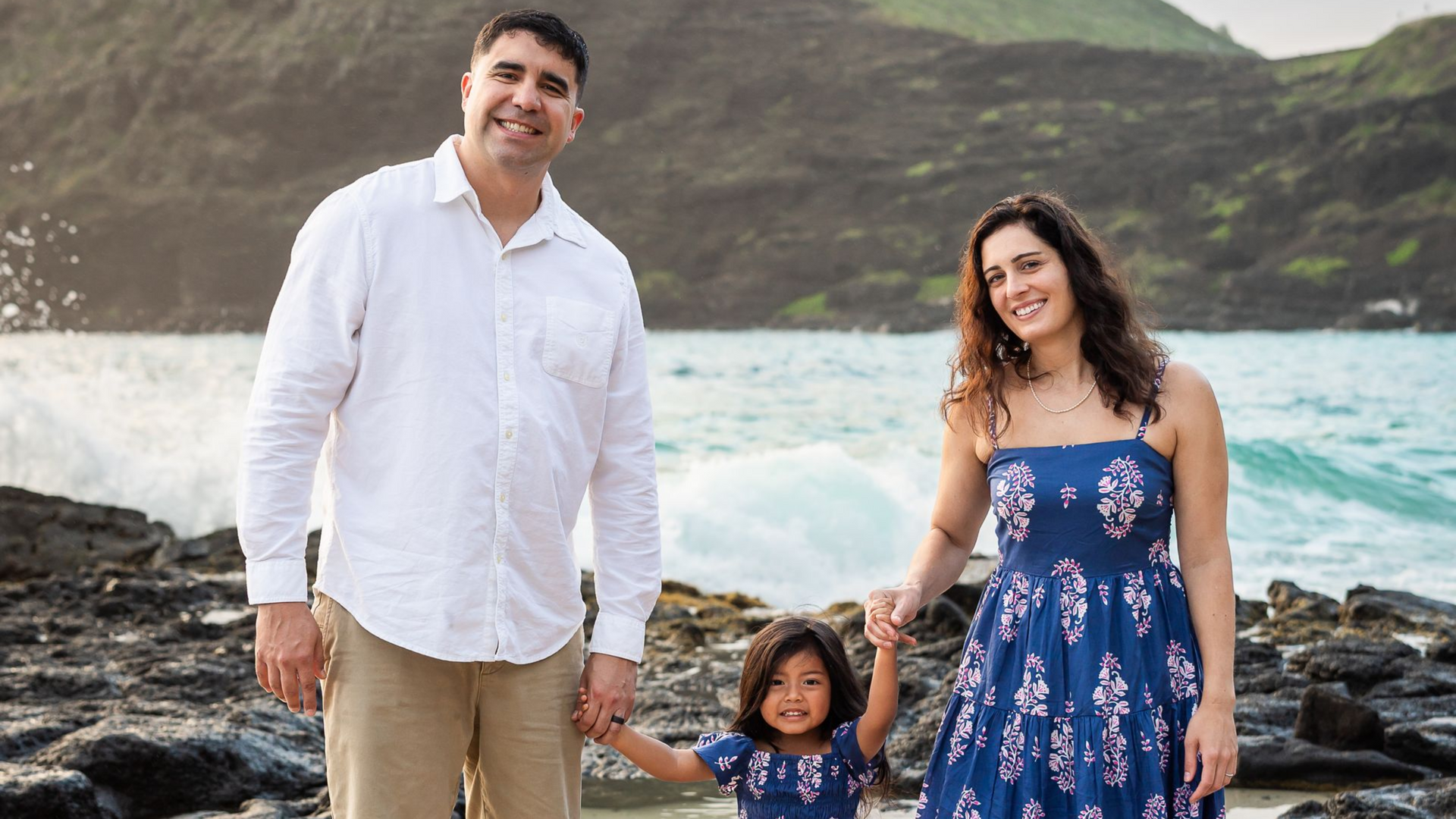
Hello & Thank You , We are Chelsea and Nick, and we are truly honored and grateful that you are considering us as potential adoptive parents for your child. We want to acknowledge the immense courage and strength it takes to choose adoption, and we deeply appreciate the thought and care you are giving to this decision. Our journey to adoption has been deeply personal. While we have faced struggles with infertility, our desire to adopt began long before we were married. Growing up, Chelsea was surrounded by adoption. Two of her siblings, her aunt, and her uncle were all adopted, so building a family this way has always felt natural to her. Our faith in God plays a central role in our lives, guiding us to love, serve, and trust His plan. Adoption reflects the love and grace we believe He has shown us, and it is a path we hold very dear. After facing challenges and experiencing a loss, we were so blessed to welcome our daughter, Sofia, into our lives through adoption. She is everything to us, our little miracle and a daily reminder that love and hope can turn any hardship into something beautiful. For us, adoption represents not only the joy and love of expanding our family but also the incredible strength and love of parents like you who make this choice. We are surrounded by family and friends who have embraced our journey and who share in our joy and commitment to providing a nurturing and supportive home. As parents, we hope to offer a child a home where they will feel cherished and encouraged to grow, celebrate their uniqueness, and pursue their dreams in every way possible. Should we be chosen, we want your child to always know how special, wanted, and deeply loved they are—not only by our family and us but also by you. We want you to know that you will always hold a meaningful and cherished place in their life and in our family. Please know that your decision, whatever it may be, is honored and supported. Thank you for considering us as potential adoptive parents and for the hope you bring to families like ours. Please know that you are in our prayers. With heartfelt appreciation, Nick & Chelsea
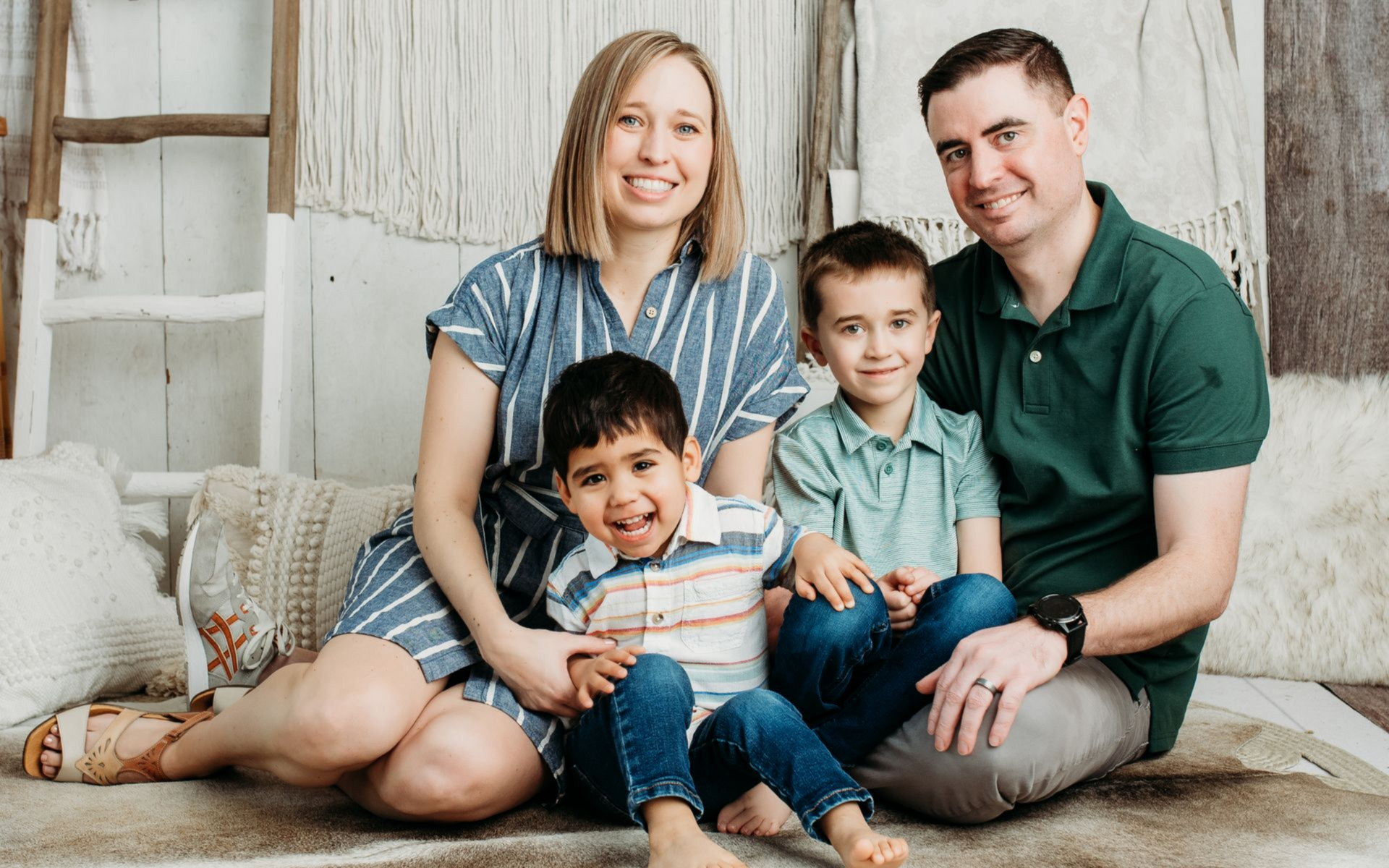
Hello & Thank You , We are Dani, Joe, Emerson, and Benjamin. Nice to meet you! We are so grateful to you for taking the time to get to know us a little better. We realize you may be feeling many different emotions at this time, and we want you to know that we will be supportive of you and your child. We will care about you, too. Our hope in creating this book is that you'll feel the love, laughter, and joy in our daily lives and our adventures, and be able to imagine what a life with us could be like for your child. We have two children, Benjamin and Emerson. After complications from Dani's pregnancy with Emerson that led to a hysterectomy, Dani is no longer able to carry a child. In 2023, we adopted our son, Benjamin, and have an open relationship with his birth family. We are so grateful to his birth family for choosing us and trusting us to raise their child. We are excited to grow our family once again through adoption and are thankful to you for taking the time to get to know us. If you choose us, your child will grow up alongside two sweet and playful big brothers who are curious, energetic, and full of love. They will also have a gentle golden retriever nearby for snuggles and games of fetch. Our home is filled with laughter and connection, and we are intentional about creating a space where our children feel secure, encouraged, and deeply loved. We acknowledge that you have a very important role in your child’s life, and we would like to have an open adoption so that your child will know their story. It is important to us that we honor your wishes regarding the level of openness you would like in your child’s life. We will keep the promises we make together and always put your child’s needs at the center of our decisions. We both value kindness, curiosity, humor, and a love of learning, and we strive to model those values every day. We want our children to grow up feeling unconditionally loved, seen, heard, and supported. Even when life feels challenging, we face it together and always put our kids first. We are so excited to grow our family through adoption and would be honored to give your child that same love and support. Thank you for taking the time to read our story. We would truly love to get to know you. With Love, Joe & Dani
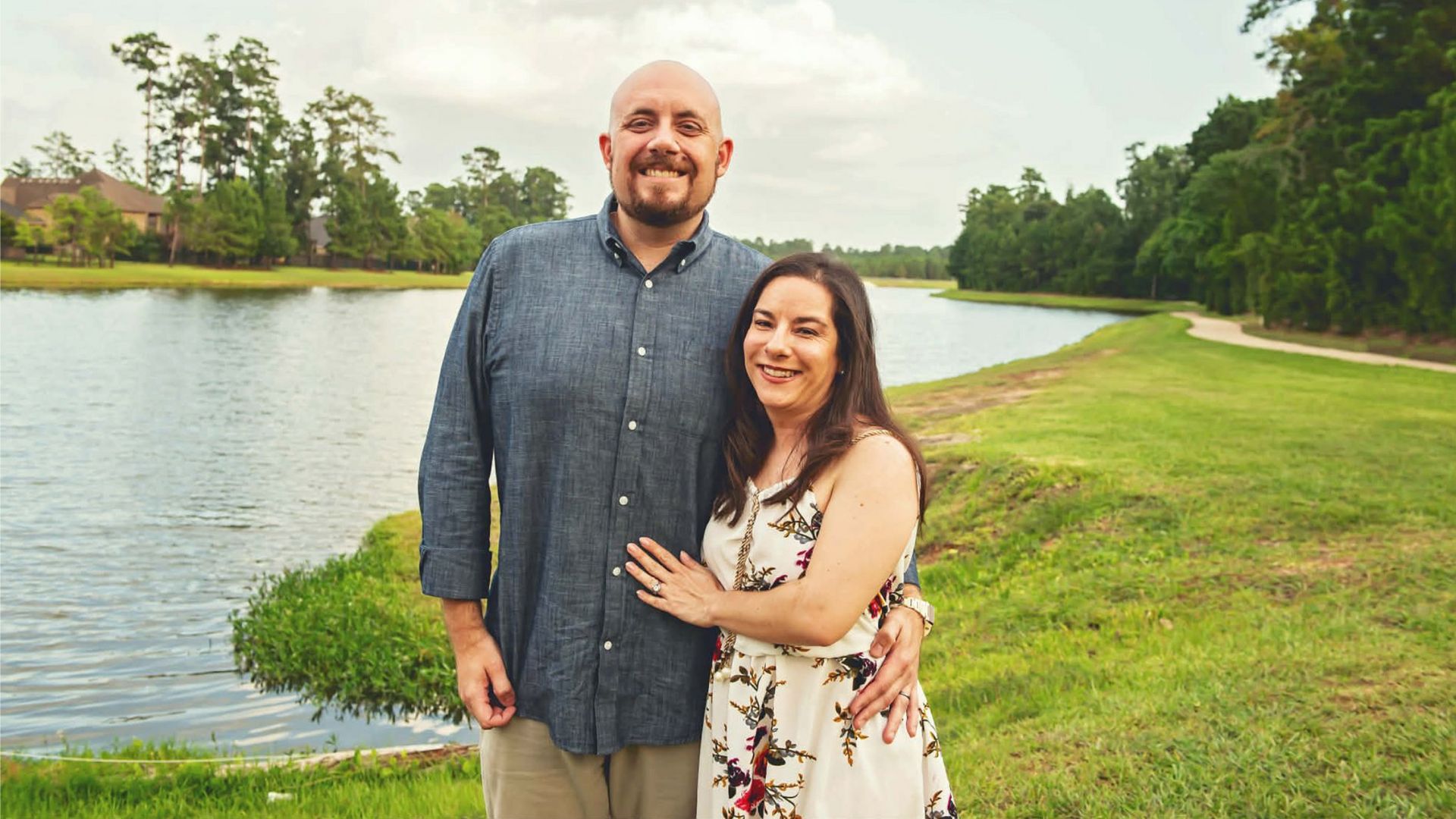
Hello & Thank You , Thank you so much for taking the time to learn about us and consider us as you explore your options. We know this isn't an easy decision. While we cannot know what you are experiencing, we truly respect the care and thought that goes into creating an adoption plan. We are Douglas and Pamela. We’ve been together for thirteen years and married for nine. Throughout our relationship, we’ve talked about building our family through adoption, and Pamela has known since she was a teen that adoption would likely be the safest way to start a family. While we did spend time hoping to conceive, we later learned that pregnancy would come with significant medical risks, including a very high chance of miscarriage and complications that could affect both her and the baby. After many visits with doctors and thoughtful conversations with each other, we chose adoption as the right path for us. We’re excited to open our hearts, our home, and share everyday moments together as a family! If chosen, your child will be raised in a loving, stable environment where they are deeply cared for and supported. They will grow up knowing their story began with love and care. We will always speak of you with respect and gratitude. Thank you again for considering us as adoptive parents for your child. Whatever you decide, we wish you peace, support, and kindness as you move forward. Sincerely, Douglas & Pamela
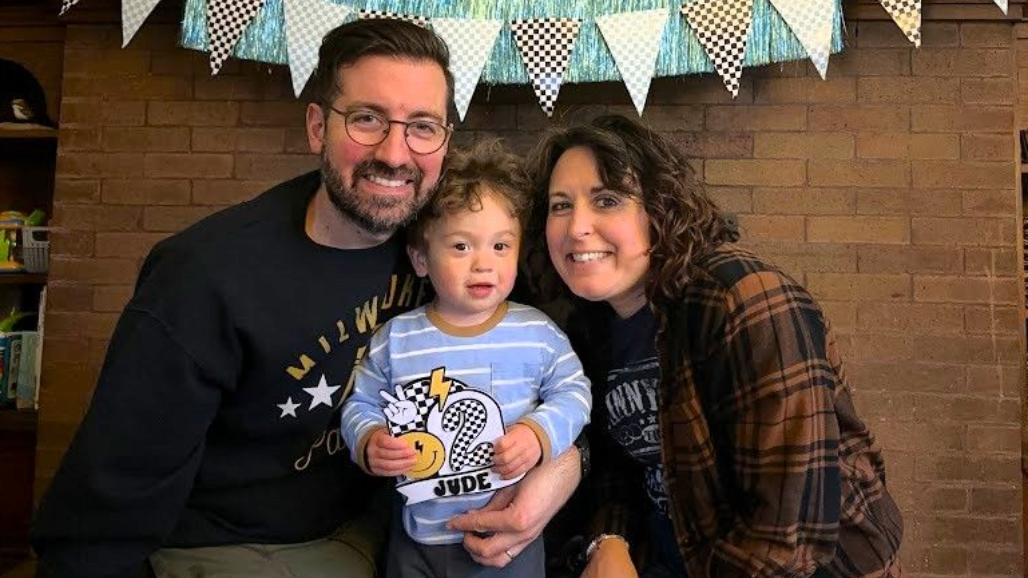
Hello & Thank You , We sincerely appreciate you taking the time to learn about who we are, and we are honored and humbled that you would consider us to adopt your child. While we can never fully understand how difficult this decision is or what you are going through, we want you to know that we see your strength, bravery, and selflessness. We will make sure your child grows up knowing that, and feeling proud of their story and where they come from. We are committed to being open and honest every step of the way. We are Andy and Katie. We have been married for 10 years and have known each other for 14. From the very beginning of our relationship, we knew we wanted to build a family together. About a year into our marriage, we began trying, but faced many challenges and soon started infertility treatments. After many years, tests, and procedures without success, we felt called to pursue adoption, not realizing our greatest gift was yet to come. We met our son, Jude, in March of 2024, and our lives changed in the best possible way. He is the love of our lives and has been surrounded by the love and support of our family, friends, and community from the very beginning. The additional love of the family we gained through his birth parents and birth grandmother has been immeasurable, and we truly feel that it was meant to be. Jude is so ready to be a big brother, and we are thrilled to grow our family through adoption again. When it comes to raising your child, we promise to surround them with love, from us and from the many people who support us. We will teach them to lead with empathy, kindness, and respect for others. We promise a life filled with joy, laughter, cuddles, storytimes, music, and adventure. We will be their biggest advocate. Most of all, we promise to always be open and honest, sharing their story with them and helping them feel proud of who they are. We are so grateful for you and hope our profile gives you a glimpse into our lives and helps you feel a sense of comfort in what lies ahead. We would be honored to learn more about you and walk this journey alongside you, whenever and if you feel ready. With gratitude and love, Andy & Katie
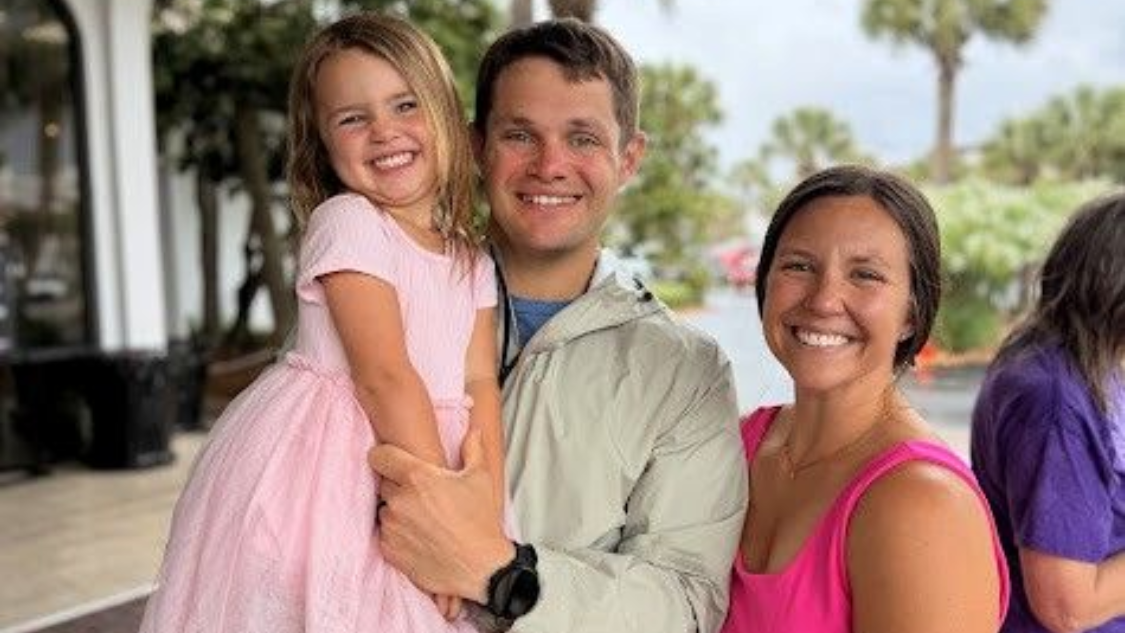
Hello & Thank You , We want to begin by saying thank you. Thank you for taking the time to read about our little family and for considering us as you make one of the most selfless and loving decisions imaginable. We cannot fully understand what you are walking through, but we deeply respect your strength, courage, and love for your child. We want you to know that if you choose us, your child will be loved, protected, and supported in every part of their life. They will grow up in a home filled with laughter, fun, and rooted in faith. We believe God is guiding both your journey and ours, and that He will place the right family for you and the right child for us. Our journey to adoption has been shaped by both hope and healing. In 2021, we received an infertility diagnosis, and while that was difficult, it opened our hearts to adoption. We chose not to pursue IVF or fertility treatments, believing our path forward was meant to look different than we first imagined. Shortly after that, we were blessed with becoming pregnant with our daughter, Ryleigh. Becoming her parents has been one of the greatest joys of our lives. Even after having Ryleigh, adoption has remained on our hearts as a calling we cannot ignore. After prayerful consideration, we feel now is the right time to grow our family. Ryleigh has been asking for over a year to be a big sister, and we know she will love and cherish a sibling with her whole heart. Texas holds a very special place in our hearts. When Drew joined the military, Texas was our first duty station. It is filled with both joyful memories and difficult ones, as it is where we received our infertility diagnosis but also where God blessed us with the miracle of Ryleigh. It would mean a great deal to us if your child’s story, which began in Texas, became part of ours. We are open to any level of communication that feels right to you and want this relationship to be guided by what you feel most comfortable with. Family and friends have always been at the heart of who we are, and we are excited to continue growing our family through adoption. We look forward to sharing our love, traditions, adventures, and support with another child as we continue the story God has written for our family. Please know you are in our thoughts and prayers as you make this decision. We respect you deeply and trust that your child will be surrounded by love and cared for in the way they deserve, no matter what you choose. Thank you again for considering us and for taking the time to learn about our family. We are honored to be part of your journey in any way. With love, Drew & Emily
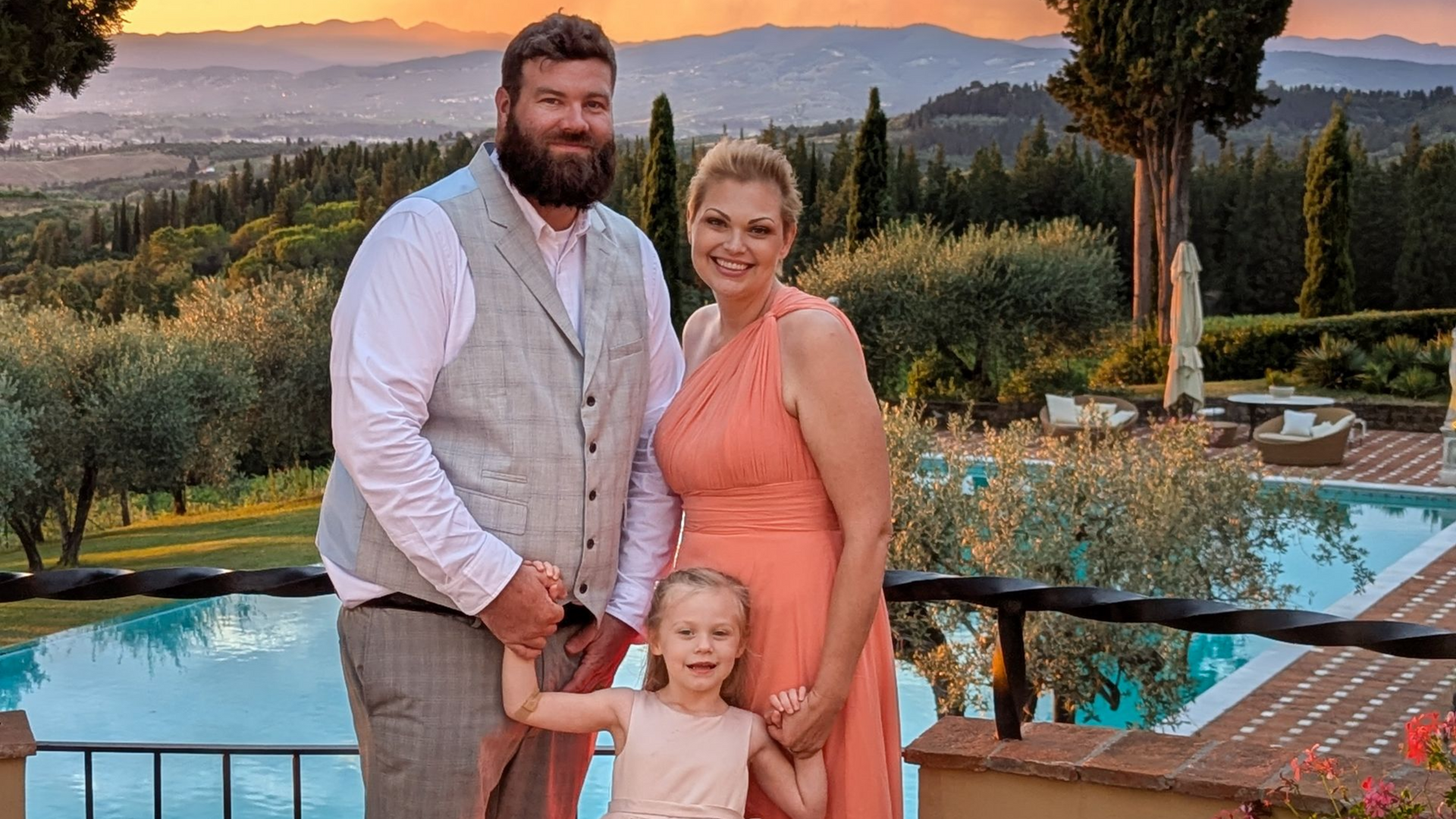
Hello & Thank You , It is so nice to meet you, and thank you for taking the time to get to know us through this glimpse into our lives. We are honored to be considered as part of your journey. While we cannot begin to imagine all that goes into creating an adoption plan, we deeply admire your strength, courage, and love behind such a selfless decision. We are Haylee, Lucas, and Kynzlee. Lucas and I met through mutual friends years ago, and six years ago we were married. From the beginning, we dreamed of having a large family, and that dream began to come true when our amazing daughter, Kynzlee, was born in 2020. Shortly after Kynzlee was born, I experienced health challenges that ultimately resulted in the loss of my fertility. While that was a difficult chapter in our lives, it led us down a path we never expected and opened our hearts to adoption. Looking back, we truly believe it was a blessing in disguise because it has led us to you. Family is at the center of everything we do. We are blessed with large, loving families who play an active role in our lives, and we love spending time together, traveling, and celebrating holidays and special occasions. It is important to us that our children grow up surrounded by love, support, and strong family connections. One of our greatest joys is watching Kynzlee play with her cousins and create memories that will last a lifetime. If chosen, we promise to raise your child with the same love, compassion, empathy, and kindness that we strive to show Kynzlee every day. We believe communication, trust, and unconditional love are the foundation of a happy home, and we want every child in our family to know they are deeply loved, supported, and encouraged to pursue their dreams. We also believe it is important for your child to know their story and understand the incredible gift you gave our family. We will always speak of you with love, respect, and gratitude, and your child will grow up knowing how deeply they are loved and how much thought, courage, and sacrifice went into your decision. Thank you again for your time and consideration. Please know that our thoughts and prayers are with you as you navigate this journey. We are praying for your peace, strength, and health in the days ahead, and we would be honored to answer any questions you may have. With love and gratitude, Lucas & Haylee
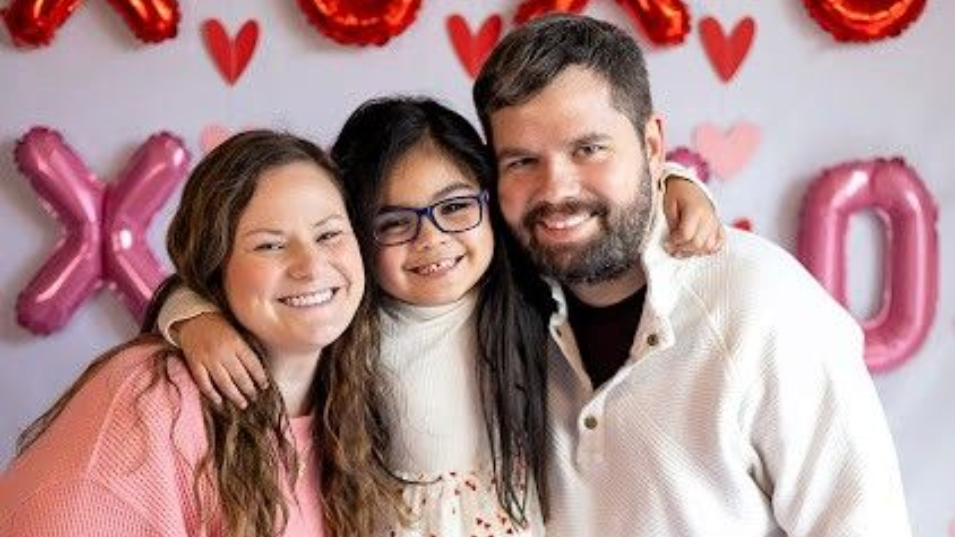
Hello & Thank You , Thank you for taking the time to get to know our family. We are Alex and Kristen, and we are grateful that you are considering us as you think about what you want for yourself and your child. We respect that this is a very personal decision and appreciate the opportunity to share a little about our family with you. We always knew that we wanted to become parents, and after learning we were facing infertility, adoption became the path we chose to grow our family. In 2020, we were blessed to adopt our daughter, Hazel. Becoming her parents has brought so much joy into our lives, and we are excited about the possibility of growing our family again and seeing Hazel become a big sister. If you choose us, we promise to provide your child with a home filled with love, laughter, stability, and support. We will encourage them to be proud of who they are, pursue the things they love, and always know how deeply they are cared for. We have always been open with Hazel about her adoption story, and we would make sure your child grows up knowing their story as well, including the love you have for them and the important place you hold in their life. We would also welcome the opportunity to get to know you and learn about your hopes for the future. We are open to communication through emails, phone calls, and in-person visits and would want to build a relationship together that respects everyone's comfort level and grows naturally over time. Thank you again for considering our family and taking the time to look through our book. We hope these pages give you a glimpse into who we are, the life we share, and the family that would be ready to welcome another child with so much love. Sincerely, Alex & Kristen
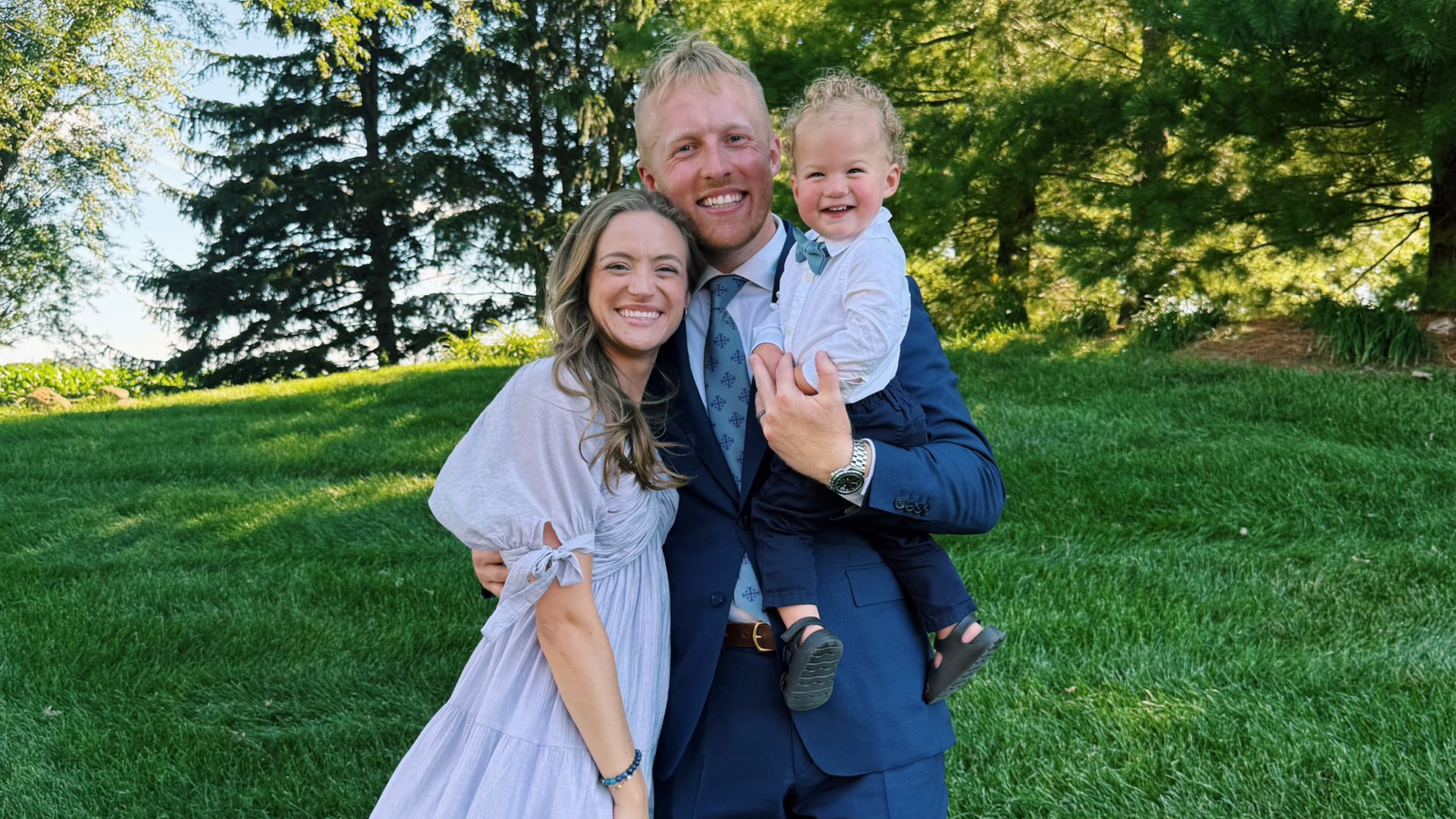
Hello & Thank You , Thank you so much for taking the time to learn more about us as you embark on this journey. Though we could never imagine what you're going through, the courageous, compassionate, and generous spirit you display in pursuing adoption as an option is inspiring. We are Gracie, Ronnie, and Alfie - a young, active, and goofy family of three. We moved to Texas shortly after getting married, and after undergoing years of fertility tests, procedures, and treatments, we knew that adoption is the path that the Lord has chosen for us to grow our family! In 2025, we welcomed our sweet boy into our family through the gift of adoption. We are so excited to see Alfie become a big brother and have a sibling who can walk through life together as best buds. Our home is a place of warmth, love, and laughter, filled with travel adventures, cozy cuddles, and delicious baking. We eagerly pray to welcome another child into this nurturing environment. Gracie is a stay-at-home mom, and Ronnie’s work schedule is very flexible, giving us the most precious gift - tons of quality time together as a family. We are blessed to have close relationships with our family and friends, many of whom we consider to be family. All of our friends have young children as well, and we can’t wait for our children to have built-in best buds! We have been lucky to find everyone in our lives overjoyed for us on this journey of growing our family through adoption. Any child that is welcomed into our home through adoption will be welcomed also into our large extended families with excitement and love. We promise to pray for you and your baby every day. We promise to talk openly about adoption and the selflessness and miracle of how any child comes to be in our family. If we have the privilege of meeting, we would be honored to hear about your life story as well. With love, Ronnie & Gracie

Hello & Thank You , Thank you for giving us the opportunity to share a glimpse into our lives. We want to express our deepest gratitude, as being considered in your adoption journey means more to us than you may know. The love you have for your child is undeniable. While we cannot say we understand the emotions, decisions, and journey you are facing, we recognize and honor the enormous gift you are sharing with a family like ours. We truly admire you. We are Ben and Stefani, along with our two fur babies. We've been together for almost 10 years and married for 5. After years of infertility, adoption feels like the right path for us. We always knew adoption would be part of our story, and we are filled with excitement and hope to finally be at this point. We often think about what our younger selves would think if they could see us now, and we know they would be proud of the life we have built together. Adoption is a lifelong bond, and we promise to cherish it. We are committed to creating a safe, loving, and nurturing home where your child can grow, explore, and thrive. Having so many of our family and friends nearby is something we are especially grateful for. Your child will grow up surrounded by people who love them, celebrate them, and are there for the everyday moments. Both of us come from hardworking families where we each learned to be independent and responsible, knowing we always had our families supporting us. Our home will be filled with laughter, family traditions, new experiences, and plenty of fun. Your child will always be encouraged to embrace their individuality, try new things, explore their interests, and grow into the person they are meant to be. Most importantly, we will always talk openly and positively about their adoption and make sure they know how much they are loved. We believe it is important for your child to understand their adoption story from the beginning and want them to grow up knowing about their birth family and where they came from. Thank you again for taking the time to get to know us and for considering our family. If we have the opportunity to meet in the future, we would be excited to learn more about you. You are a beautiful person and are giving an invaluable gift. We hope you feel the love and peace you deserve. Sincerely, Ben & Stefani

